Jun 24, 2025
Design is not decoration, it's strategy
The hospitality industry is undergoing a significant transformation. With traditional definitions of luxury shifting and guest expectations evolving rapidly, the value of a hospitality experience now lies not in the extravagance of materials but in the depth of emotional connection and cultural resonance. At EDGE Architects, we approach hospitality design with a clear belief: intentional, human-centric design is one of the most powerful tools for driving ROI in this experiential economy.
Guests today are more discerning, more wellness-oriented, and more attuned to purpose-driven travel. They seek spaces that support well-being, sustainability, and local authenticity. Developers, meanwhile, are under increasing pressure to generate returns in a highly competitive landscape. The convergence of these priorities is where intentional design proves its strength.
1. Embrace Experiential Design as a Value Driver
According to recent insights from EHL Hospitality Business School, travellers in 2025 want more than a place to stay—they want a story to participate in. Spaces designed with purpose—whether through curated sensory experiences, storytelling, or spatial choreography—enhance brand recall and loyalty.¹
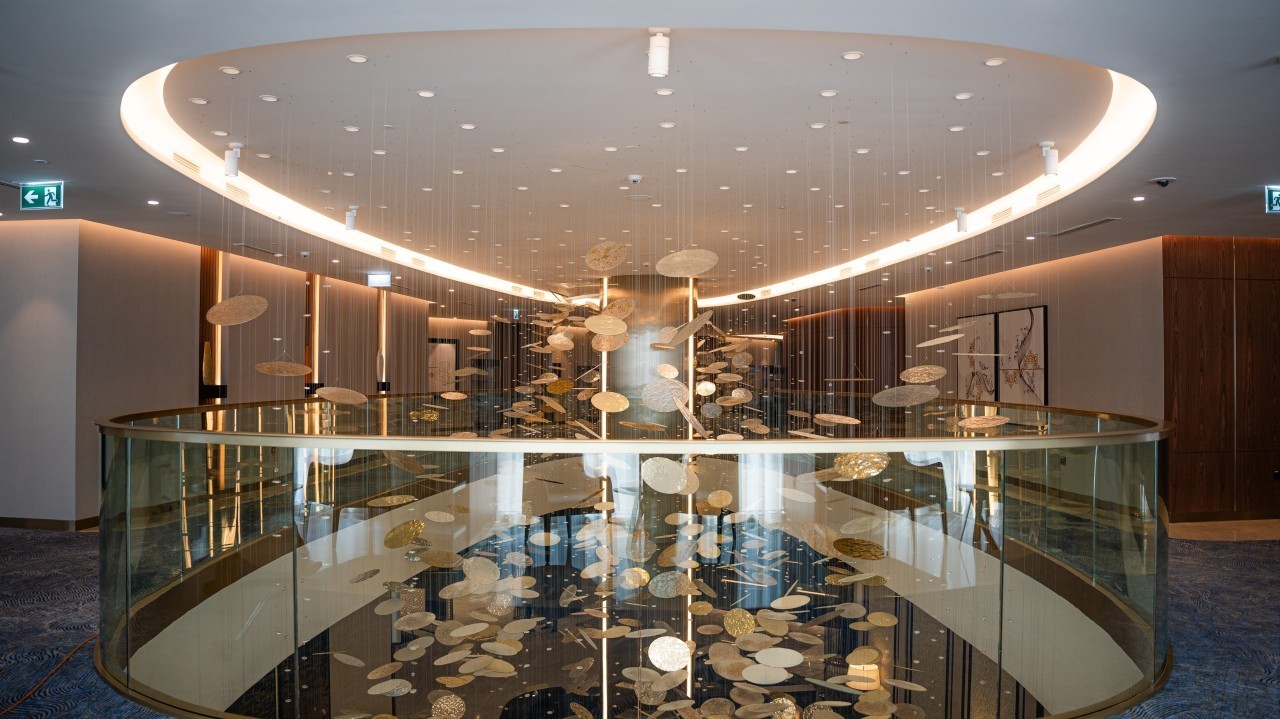
As Romy Paull aptly puts it, “spaces that touch the heart, not just the eyes, are the ones people return to.” In practice, this means designing for moments: the aroma of local coffee in the lounge, the serene hush of a spa, or the unexpected beauty of a desert-inspired installation in the lobby.
These emotionally resonant moments create Instagrammable experiences, boost engagement, and drive organic marketing—transforming guests into brand ambassadors.
2. Intentional Design Enhances Operational Efficiency
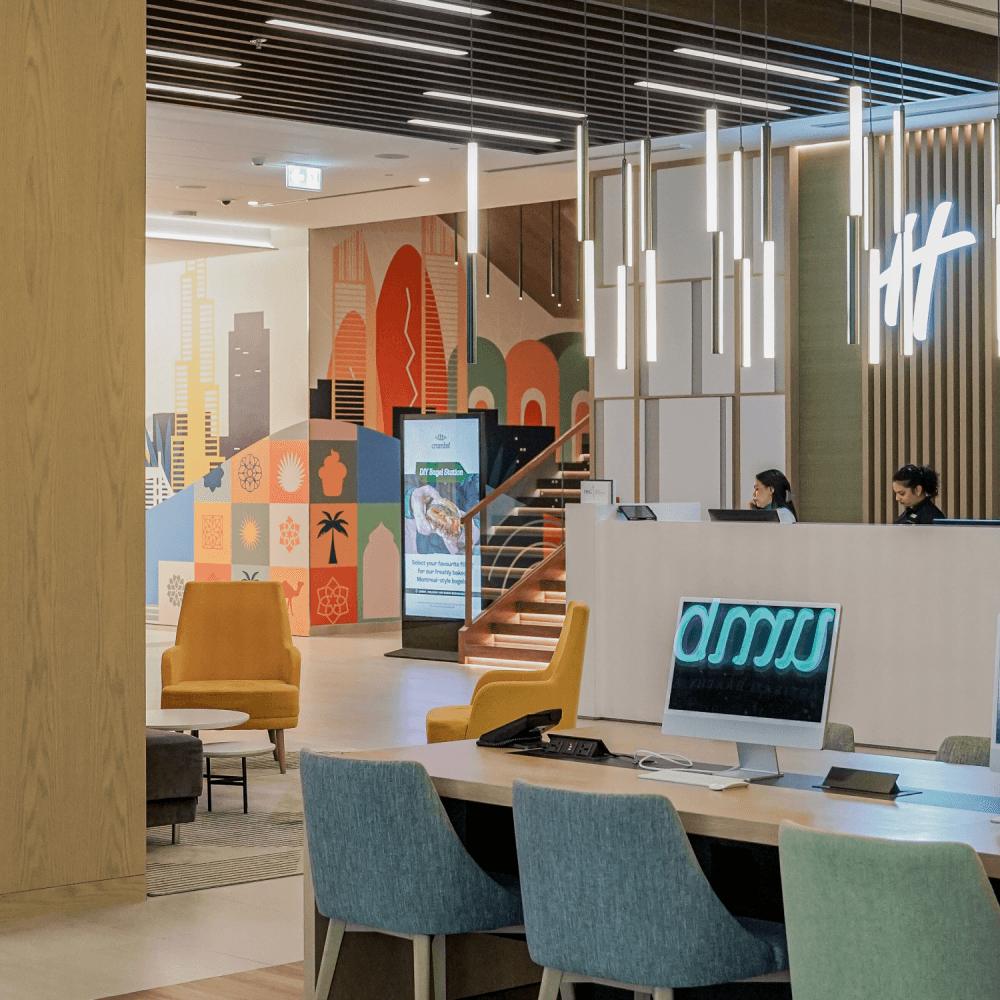
Design that works beautifully must also work smartly. Intentional layouts reduce operational friction, from back-of-house logistics to guest flow optimization. Flexible spaces support multiple uses—such as turning a lounge into a co-working hub during the day and a bar at night—maximizing revenue per square foot.
Moreover, integrating smart technologies (automated check-in, room customization, predictive HVAC) leads to lower operating costs, leaner staffing needs, and improved guest satisfaction. As highlighted by Hotel Investment Today, tech-enabled guest experiences consistently show a positive ROI, particularly when paired with intuitive physical environments.
3. Wellness is the New Luxury
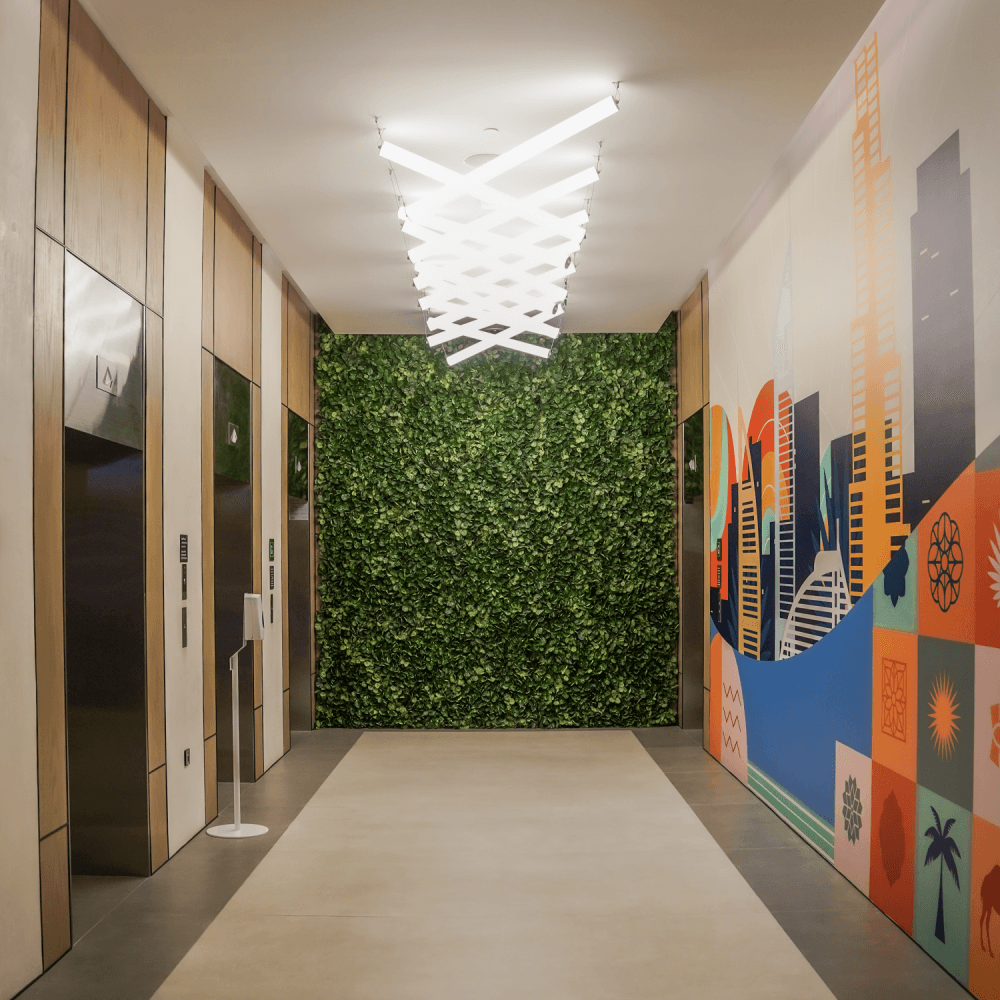
The post-pandemic traveller is wellness-conscious and environmentally aware. At EDGE, we integrate biophilic design, natural light, clean air, and acoustic comfort to support mental and physical well-being. These aren’t just design gestures—they are commercial differentiators.
Properties with strong wellness narratives (spa programs, mindful interiors, active design principles) enjoy longer stays, higher repeat visitation, and increased Average Daily Rates (ADR). Wellness is no longer an amenity; it is a mindset that permeates spatial design and brand philosophy.
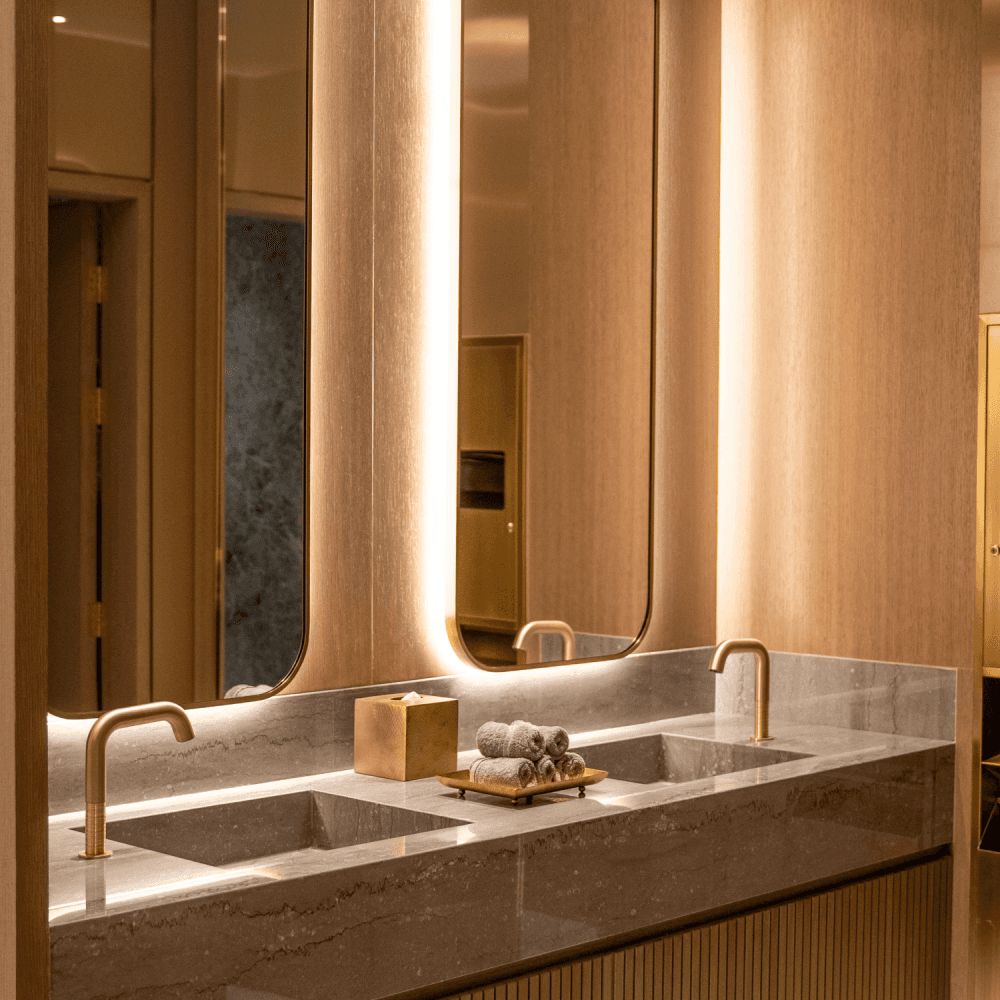
4. Leverage Local Identity for Market Differentiation
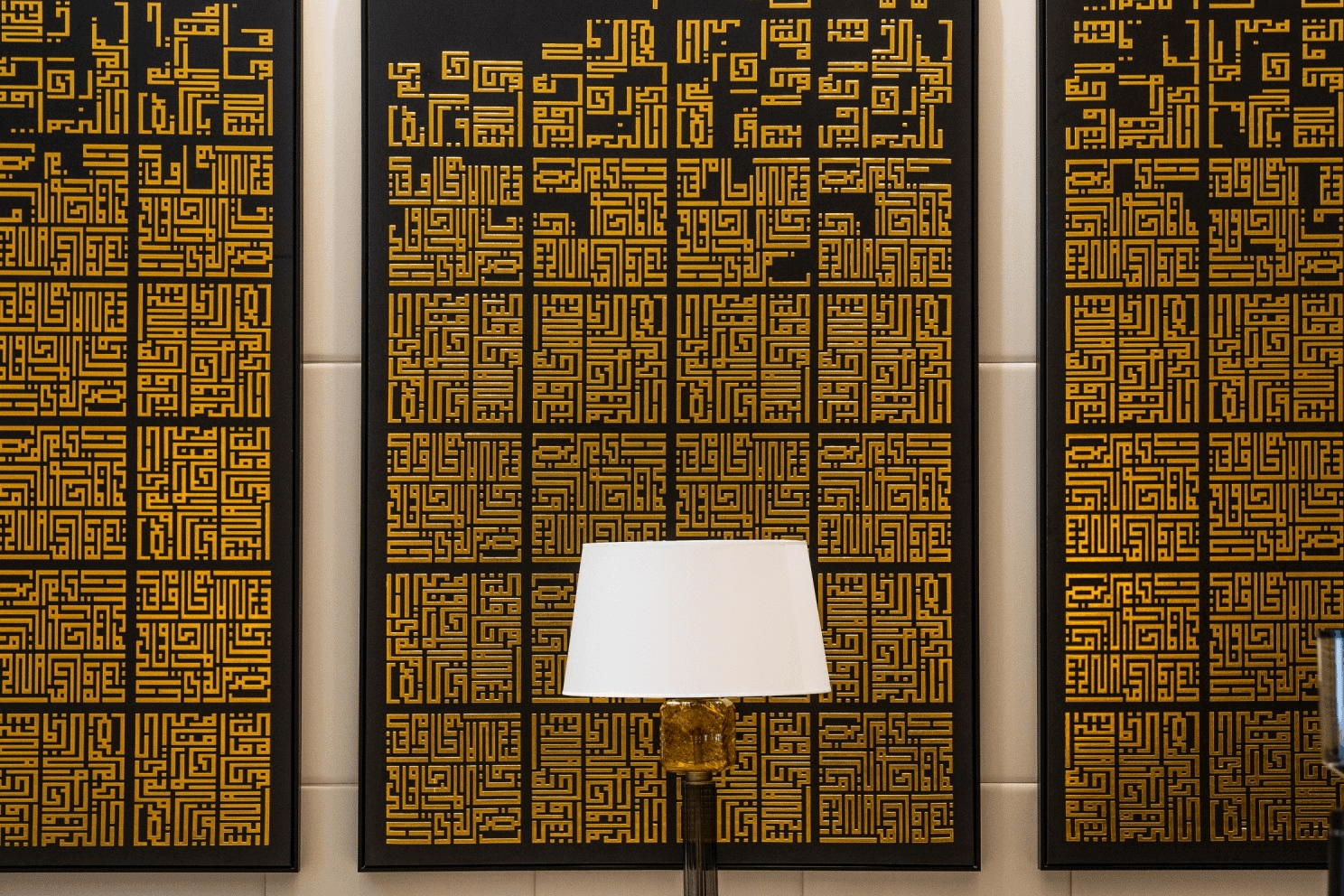
In a global market, hyper-local design creates standout value. Guests want to feel connected to the place they’re visiting. We design with regional materials, collaborate with local artisans, and craft architecture that speaks the language of its context.
This approach is more than aesthetic—it generates trust. When a guest senses authenticity, they are more likely to engage, spend, and return. Local relevance also enhances Environmental Social Governance (ESG) credentials, strengthens community relations, and opens the door for government incentives.
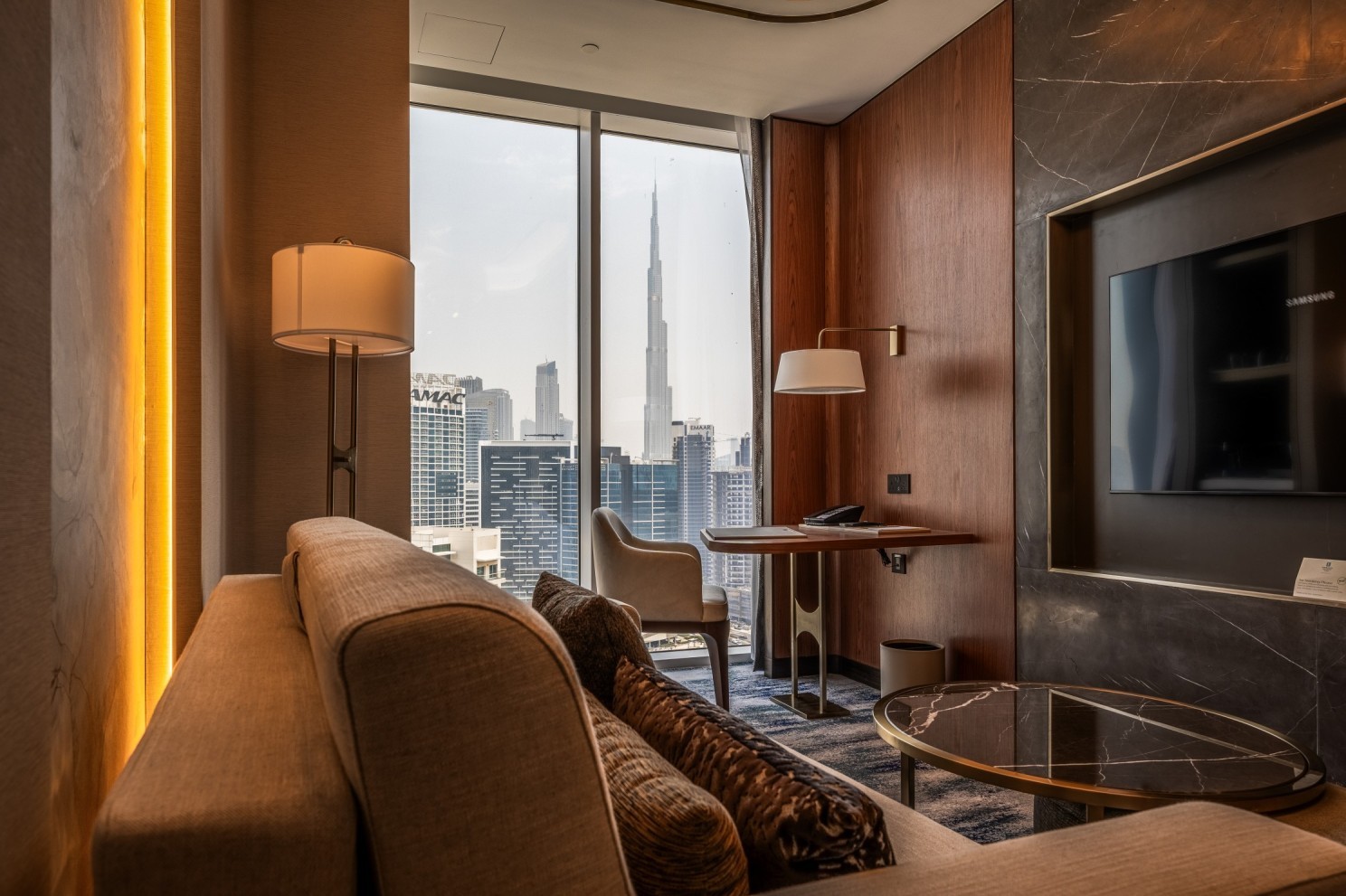
5. Maximize Asset Performance through Adaptability
Design flexibility isn’t just about spatial versatility; it’s about financial adaptability. EDGE designs hospitality assets to future-proof ROI. As travel behaviours change, buildings must keep pace. Event halls must become digital broadcast spaces. Pool decks must double as fitness terraces or concert venues. Restaurants should host pop-ups, private events, and casual coworking throughout the day.
The future is agile, and adaptive programming is key to unlocking sustained revenue growth.
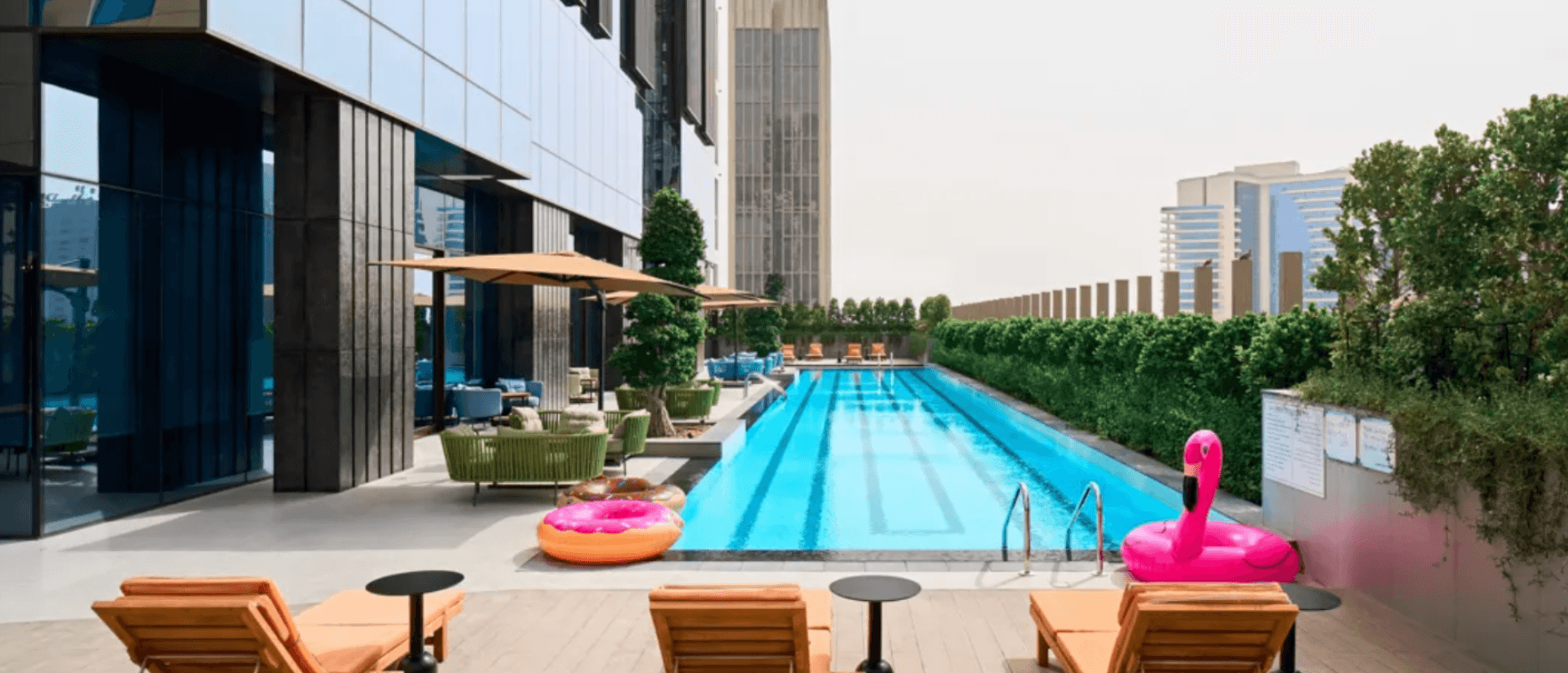
6. Renovation and Repositioning: Fast ROI Tactics
Often, the most powerful ROI comes not from new builds but from transformative renovations. Rebranding and reprogramming existing assets—especially those in prime locations—can deliver immediate returns. According to Hotel Investment Today, façade improvements, smart retrofits, and strategic landscaping can yield ROI ranging from 70% to over 200%, depending on market segment.⁵
A refreshed identity, repositioned amenities, and an intentional guest journey can elevate a stagnant asset into a high-performance destination.
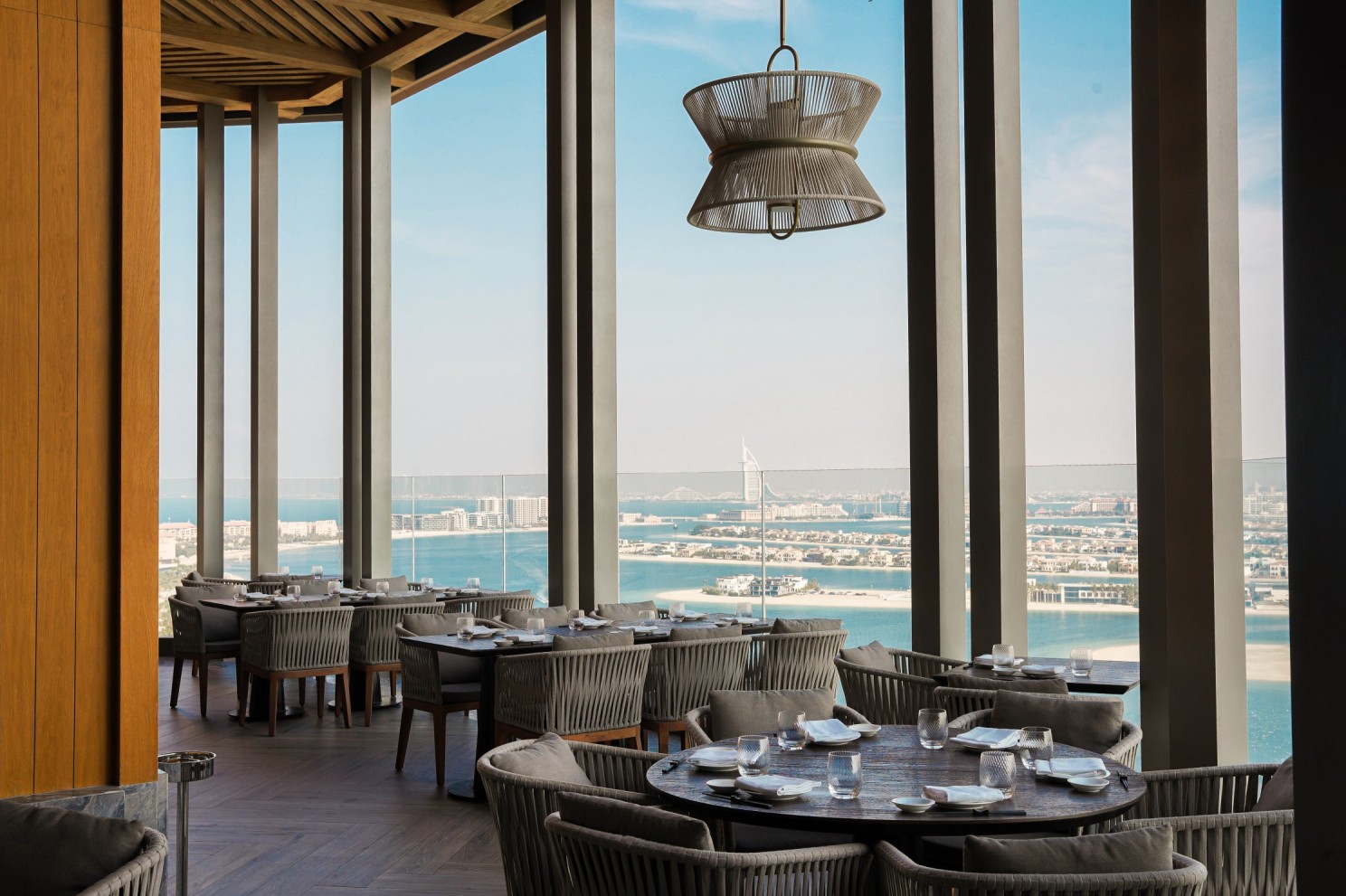
Visual Portfolio Integration
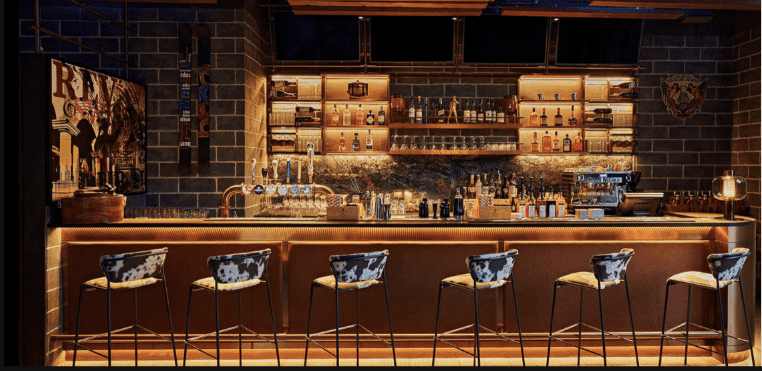
EDGE’s hospitality work across the UAE exemplifies these principles—from the urban energy of Revier Hotel Dubai, to the multi-programmable elegance of Amhara Lounge and Ballroom, to retail-activated façades designed for cultural storytelling. We create layered, human-centred experiences that deliver tangible value.
Our work reflects:
Integrated coworking + F&B lounges
Day-to-night space transformations
Lobby experiences that engage all five senses
ESG-compliant material palettes and operations
Locally inspired narratives made globally aspirational
Conclusion: Intentional Design is Strategic Investment
Design is not decoration—it is strategy. At EDGE Architects, we believe that by designing with intent, empathy, and data-backed insight, hospitality environments become platforms for value creation.
We don’t just design buildings; we shape experiences that perform—visually, operationally, and financially.